The Wealth of Nations
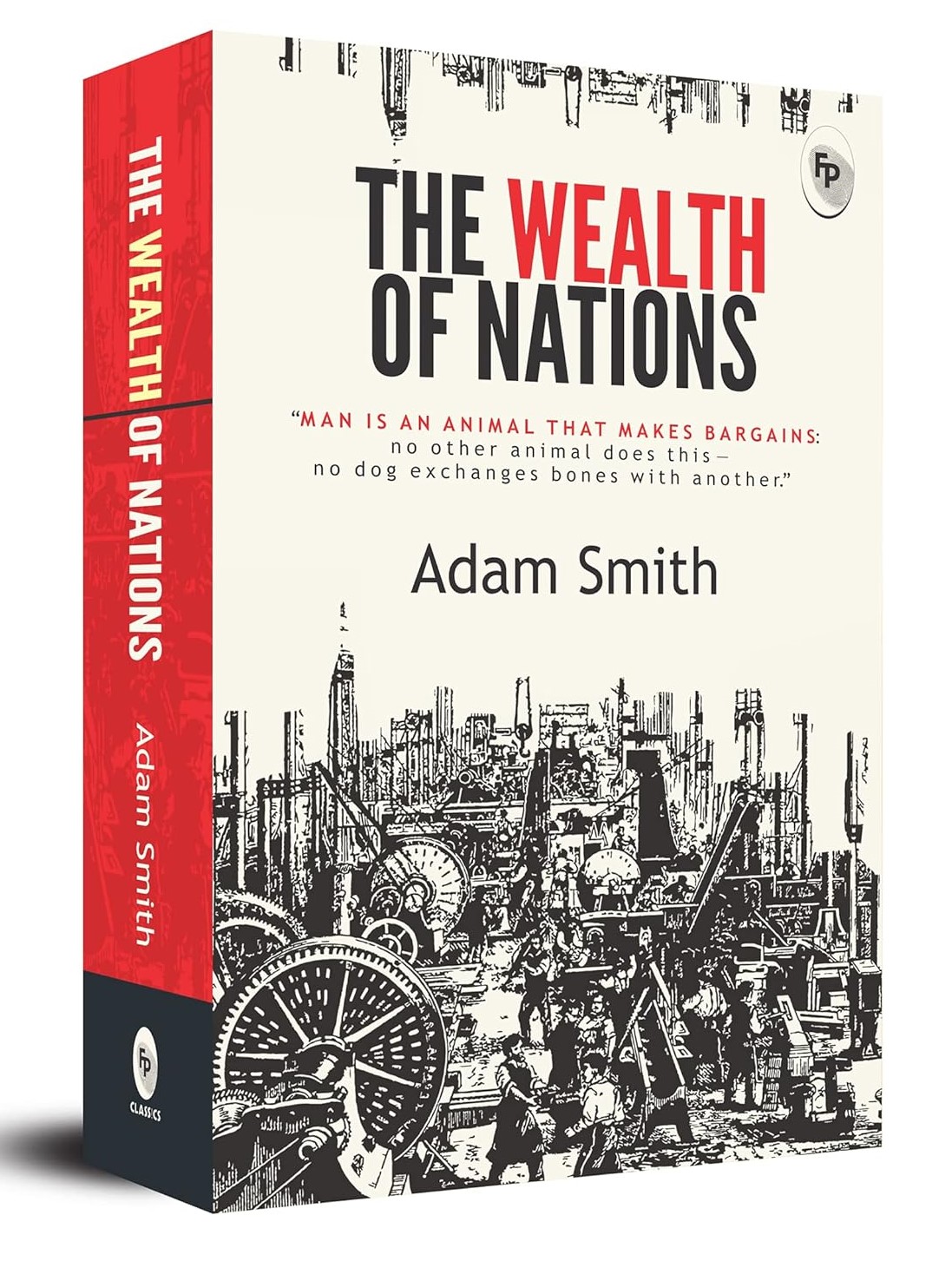
When I first encountered Adam Smith’s The Wealth of Nations, I was struck by the profound economic insights of this 1776 masterpiece. More than just an economics textbook, it’s a philosophical work about human nature, society, and the progress of civilization.
Coming from rural China, I deeply understand the significance of the division of labor. When Smith illustrated how specialization increases efficiency using his famous pin factory example, I thought of the agricultural cooperatives in my hometown and the transformation of traditional handicrafts during modernization. His theory of the “invisible hand” helped me grasp the self-regulating mechanisms of market economies and contemplate the delicate relationship between individual pursuits and social welfare.
This book taught me to view economic phenomena from a macro perspective. When I observe urban-rural disparities and uneven regional development, I recall Smith’s discussions on capital accumulation and economic growth. His insights on education investment particularly resonated with me—as Smith argued, education is crucial for improving labor productivity, which explains why reading can truly change one’s destiny.
The Wealth of Nations not only expanded my economic knowledge but, more importantly, cultivated my rational thinking and critical spirit. It made me understand that true wealth lies not in the accumulation of gold and silver, but in a nation’s enhanced productive capacity and improved living standards for its people. This book reinforced my belief that knowledge and education are the most reliable paths to personal and societal transformation.